Mail Order
Local Posters Now Available As Poster Prints
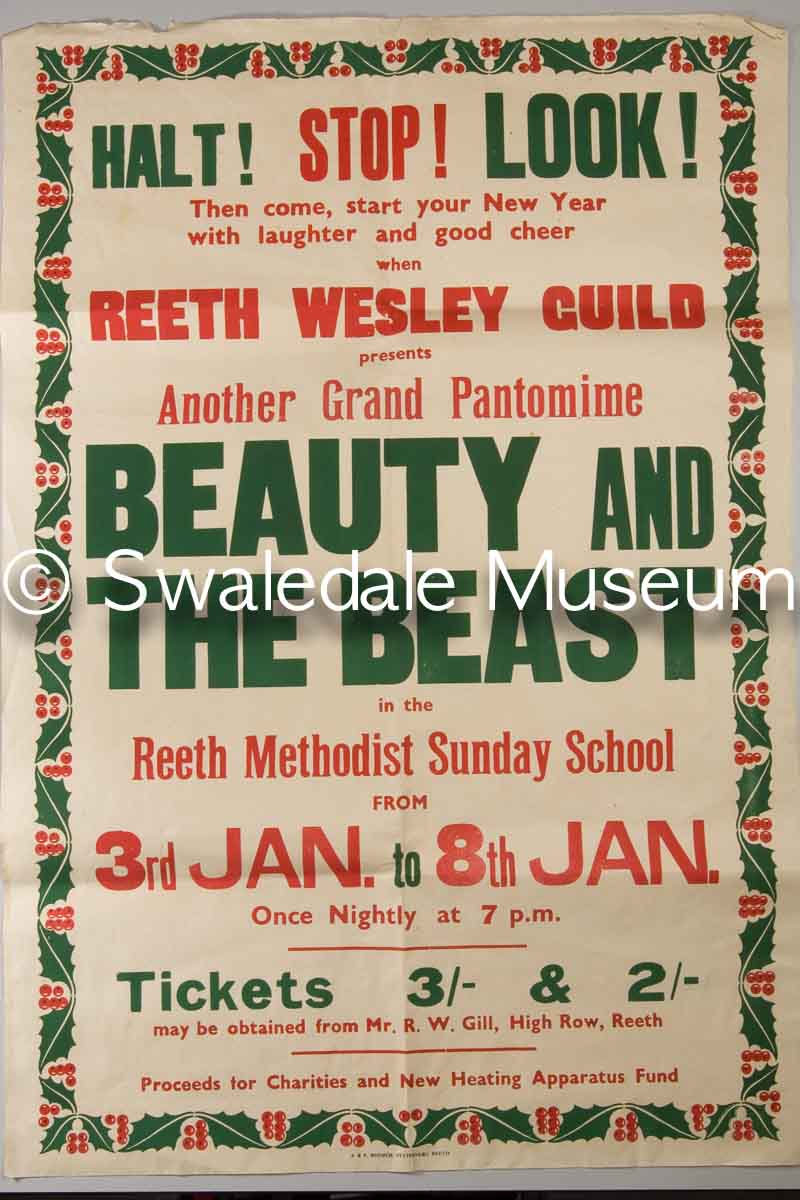
Poster 1
|
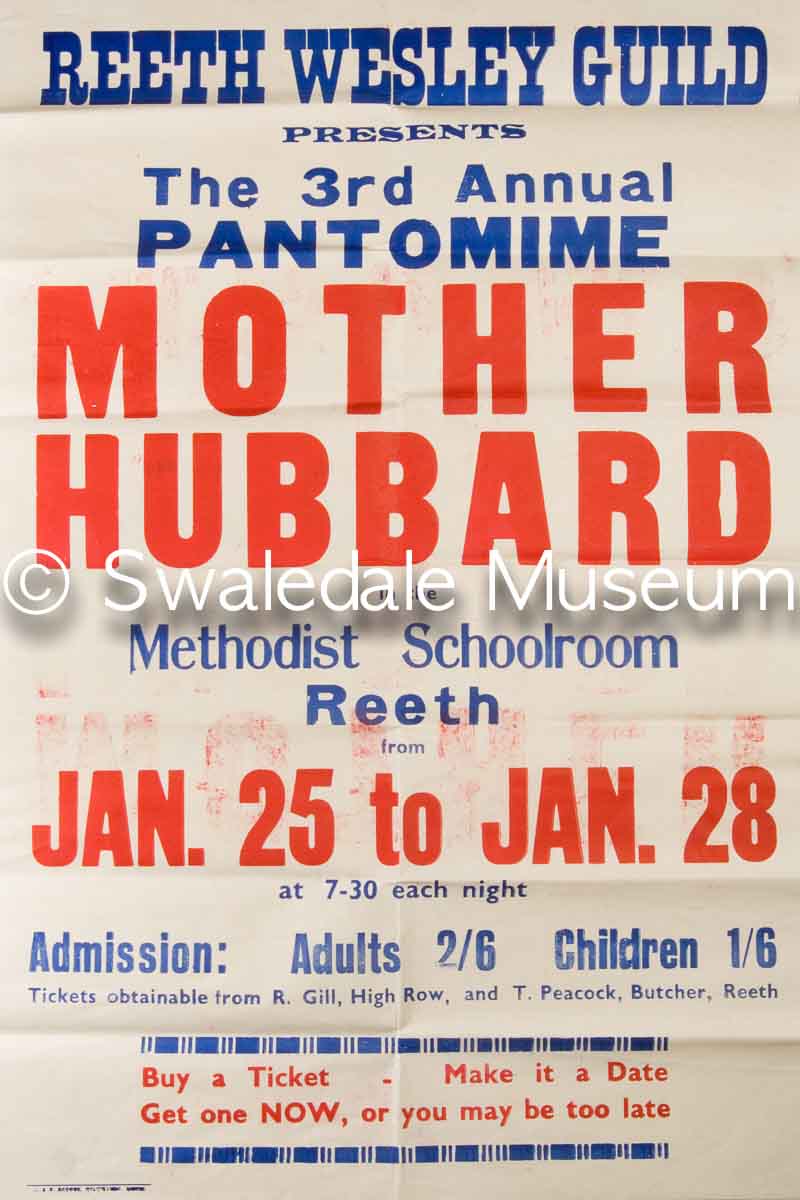
Poster 2
|
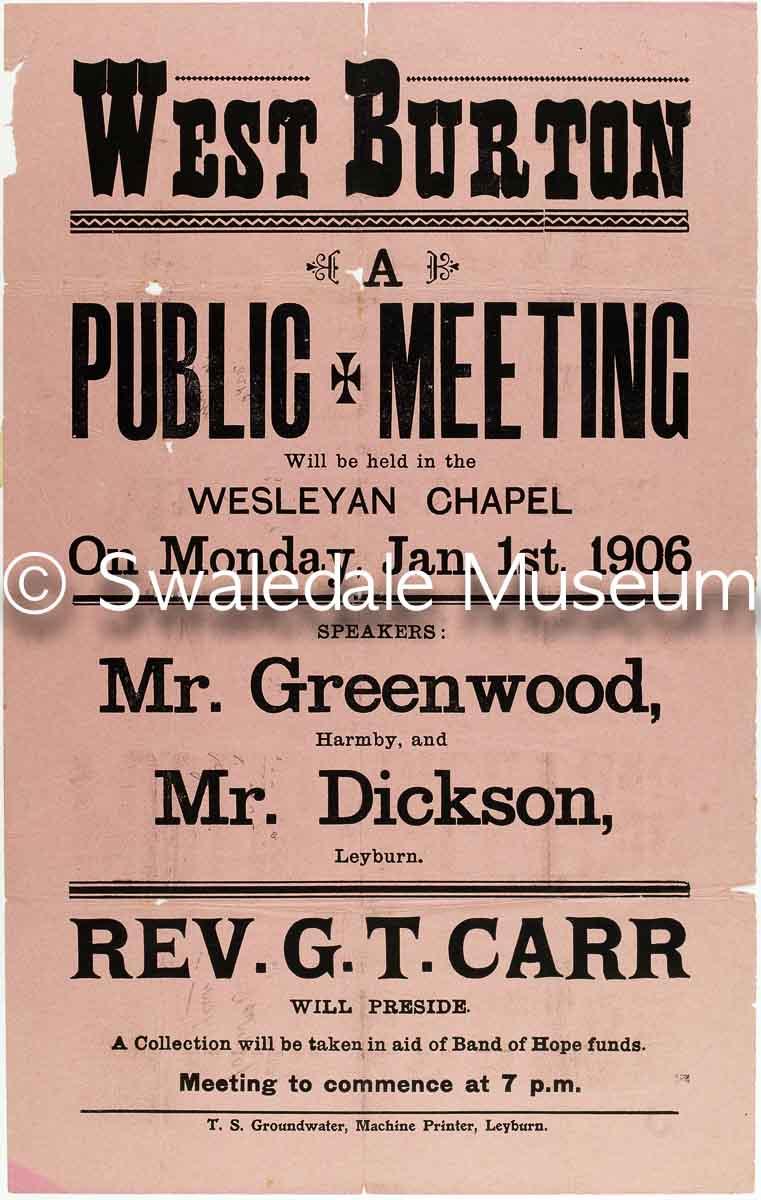
Poster 3
|
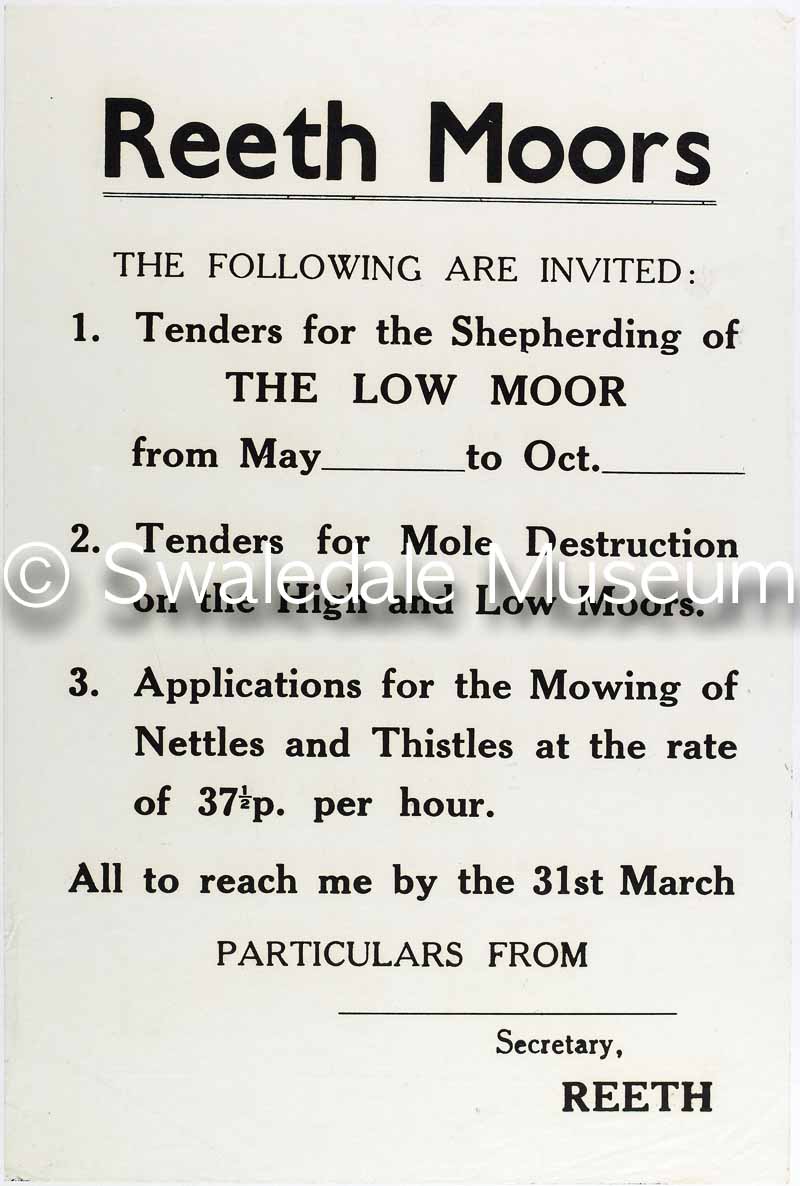
Poster 4
|
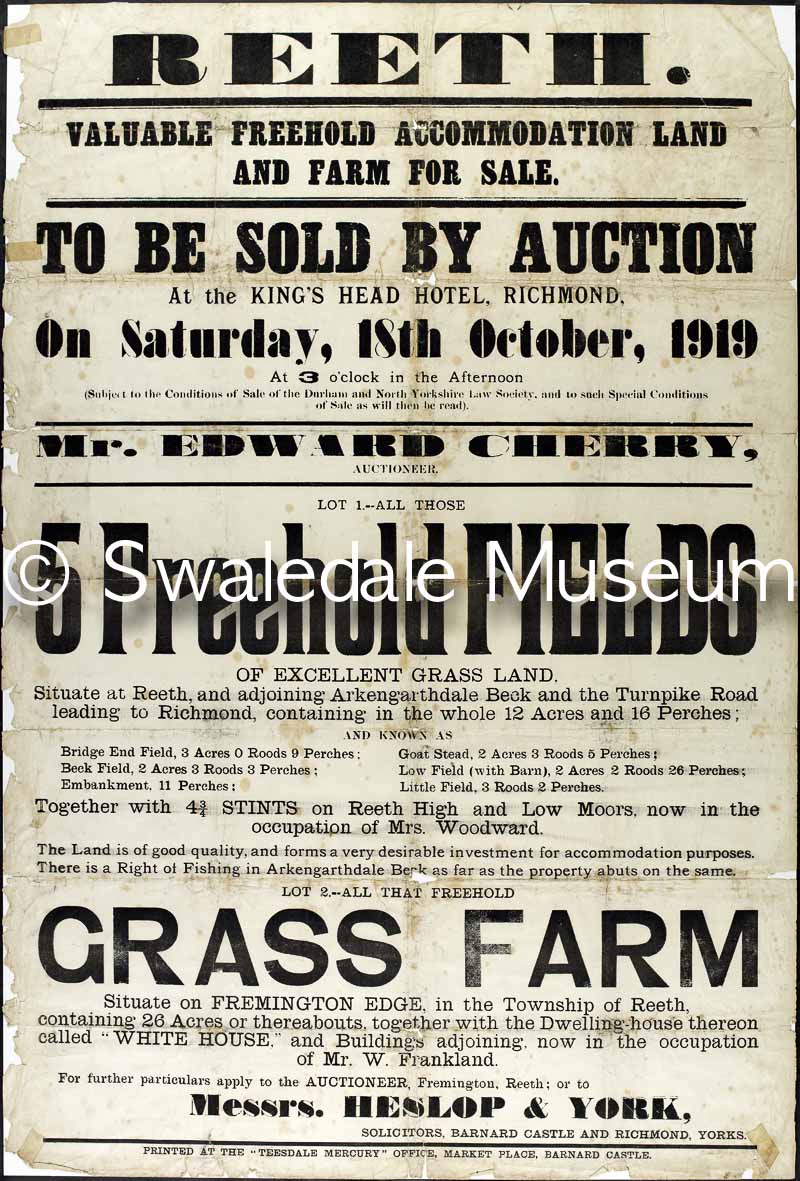
Poster 5
|
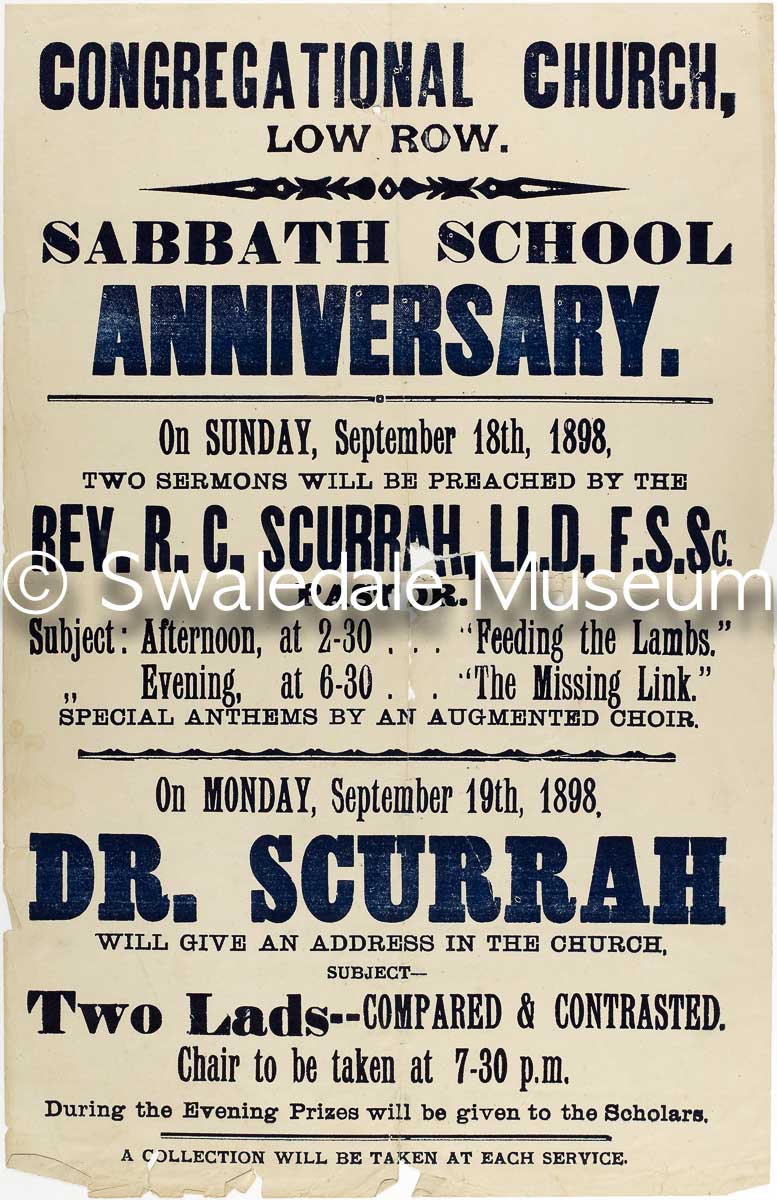
Poster 6
|
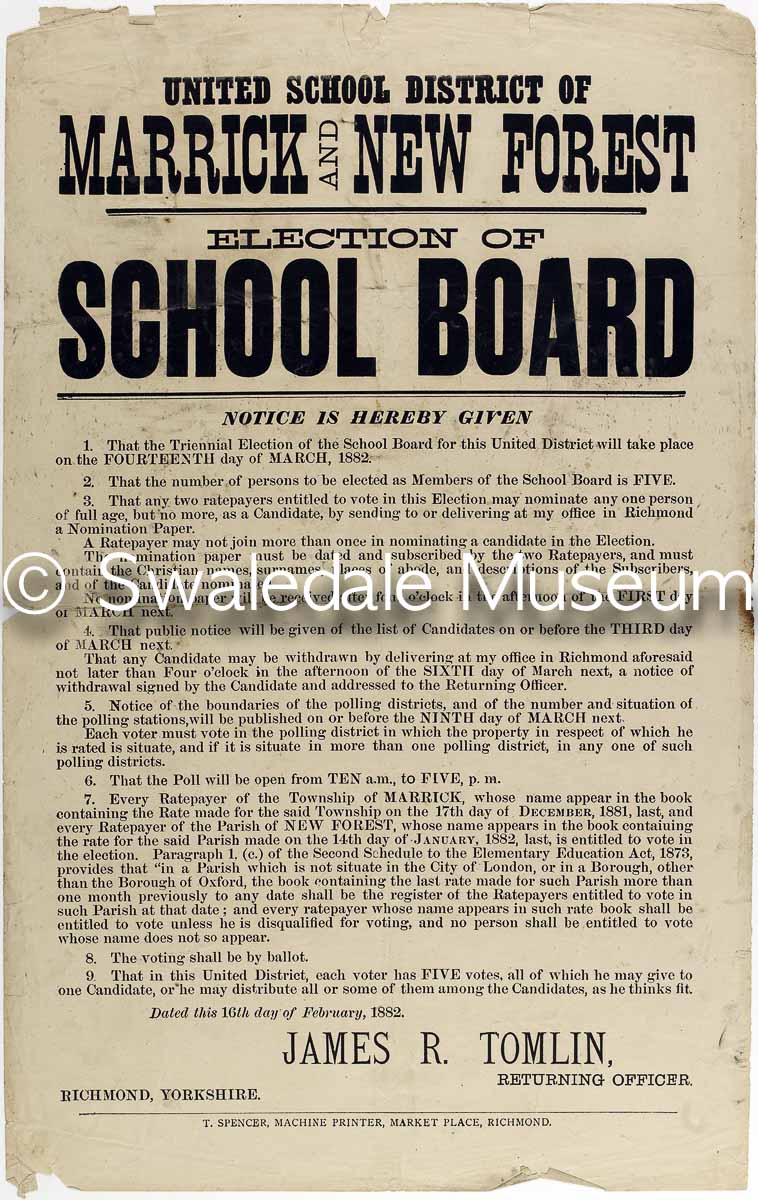
Poster 7
|
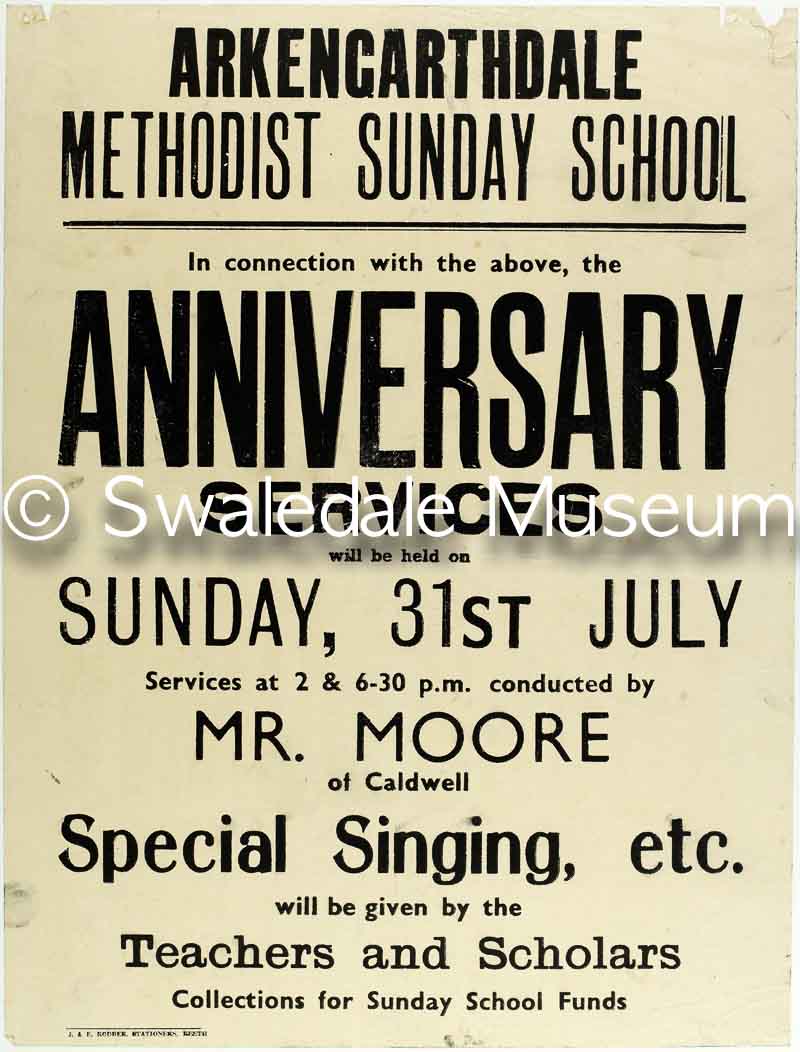
Poster 8
|
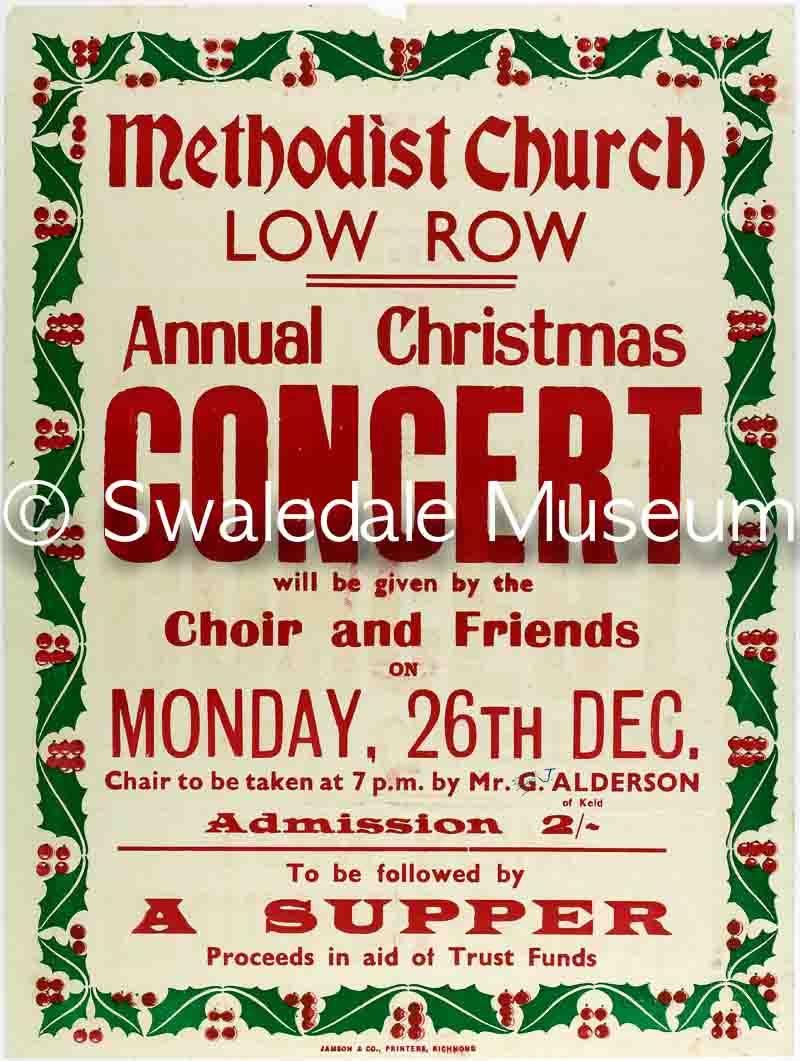
Poster 9
|
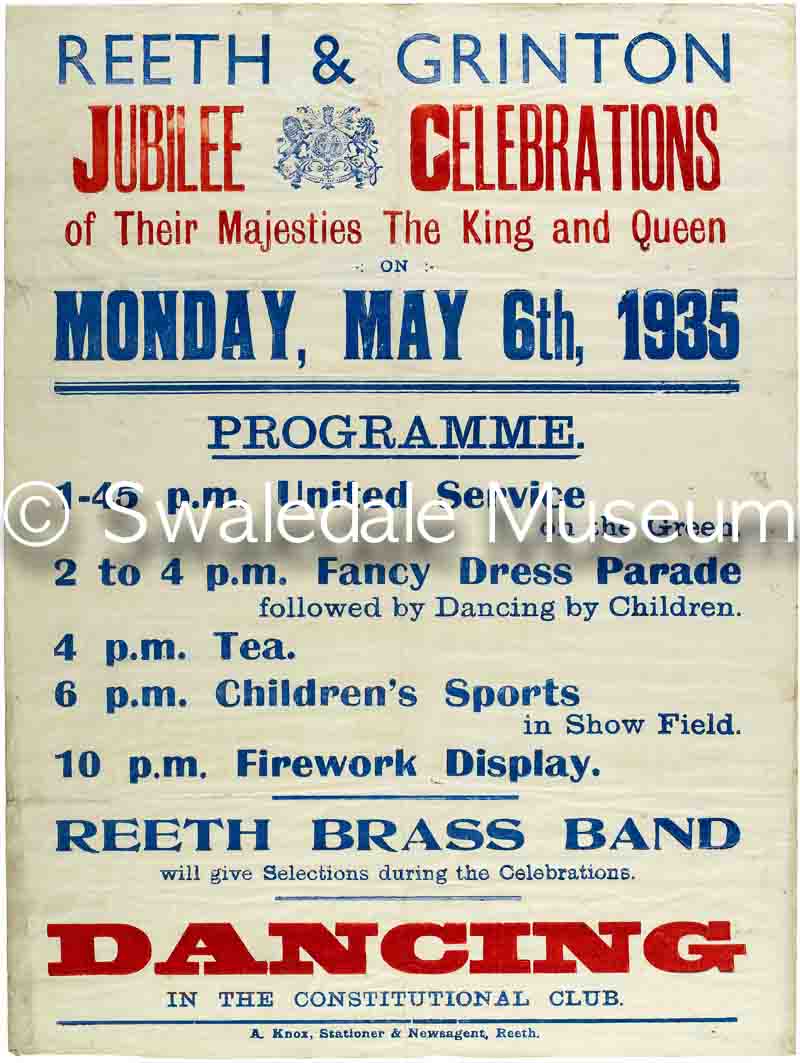
Poster 10
|
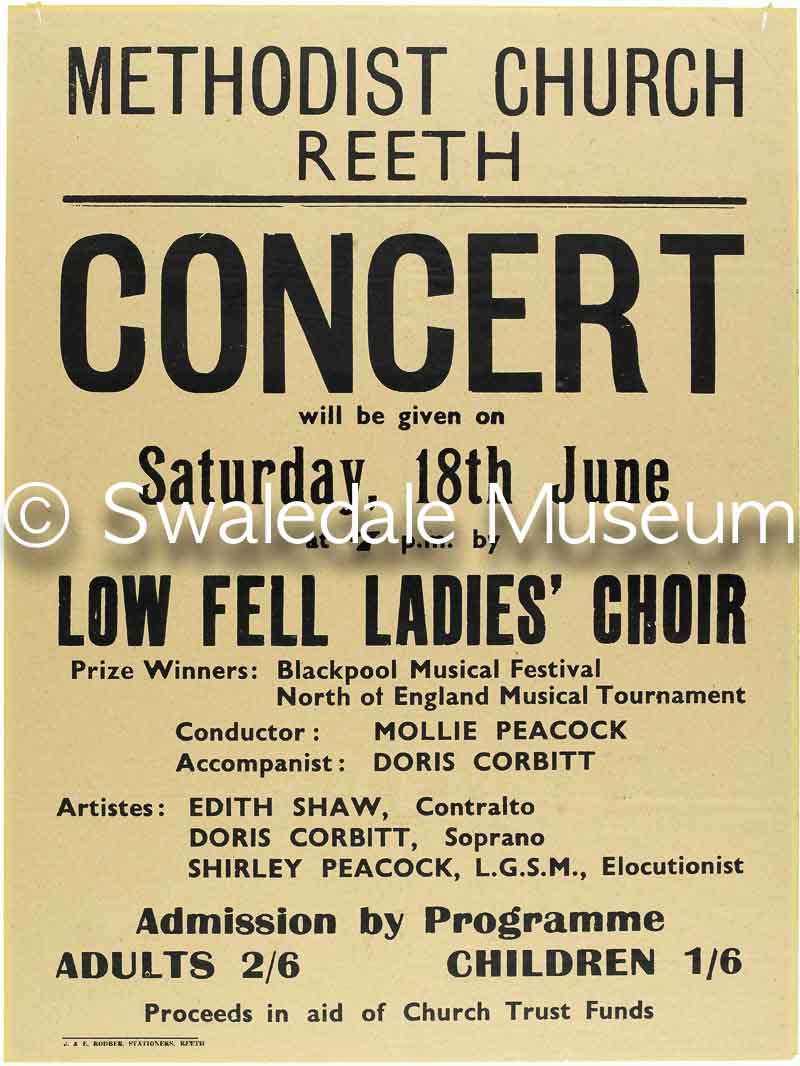
Poster 11
|
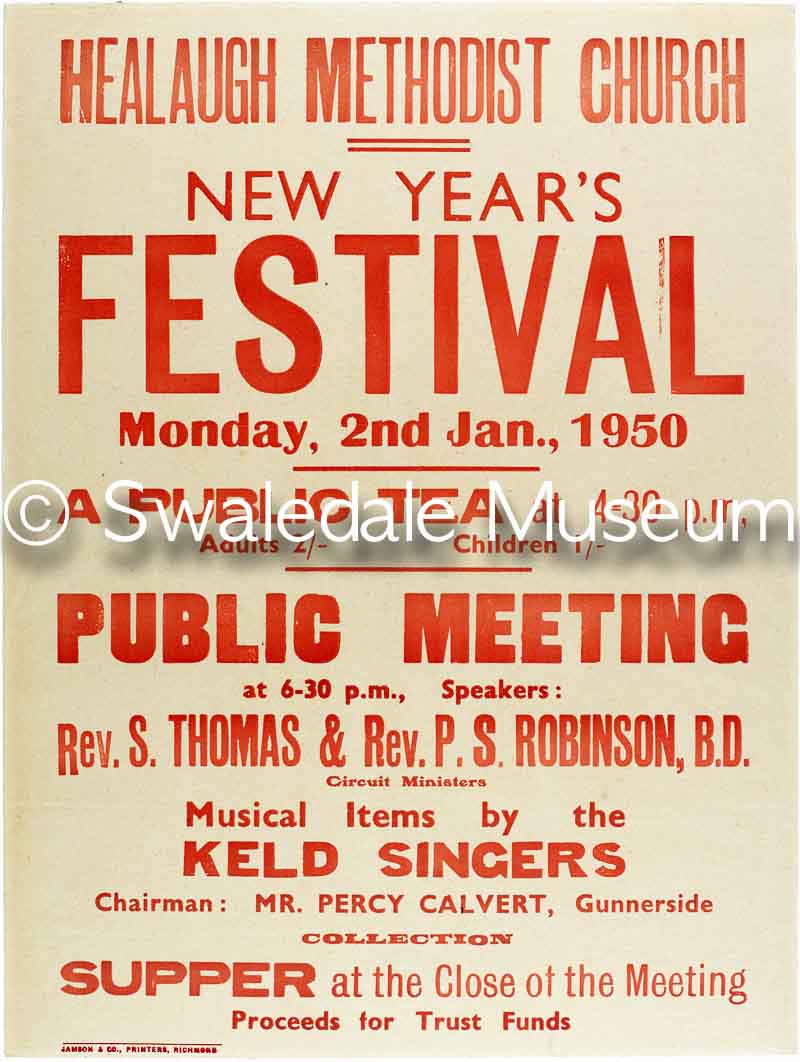
Poster 12
|
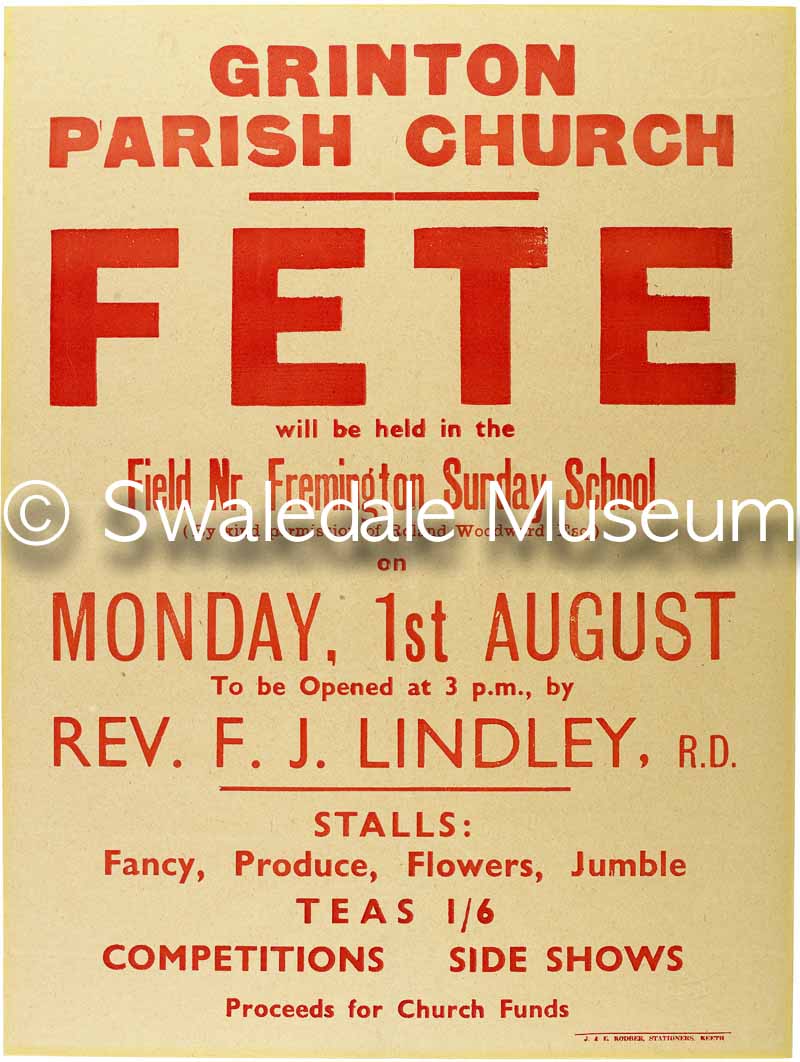
Poster 13
|
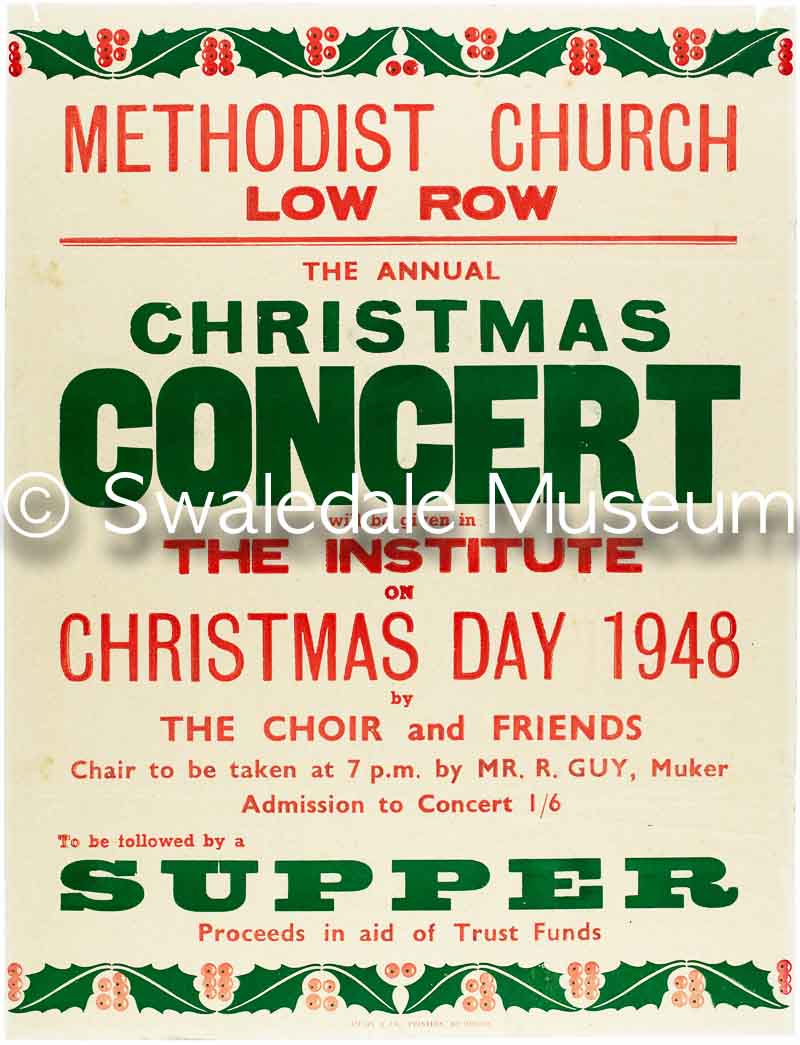
Poster 14
|
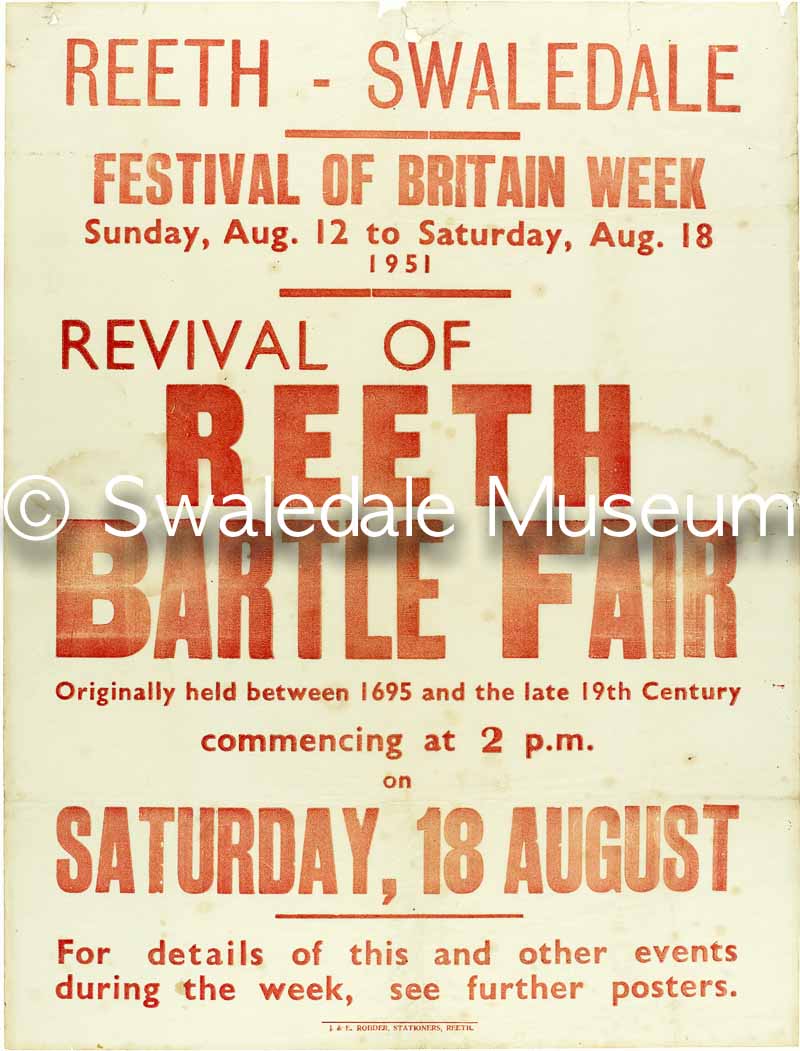
Poster 15
|
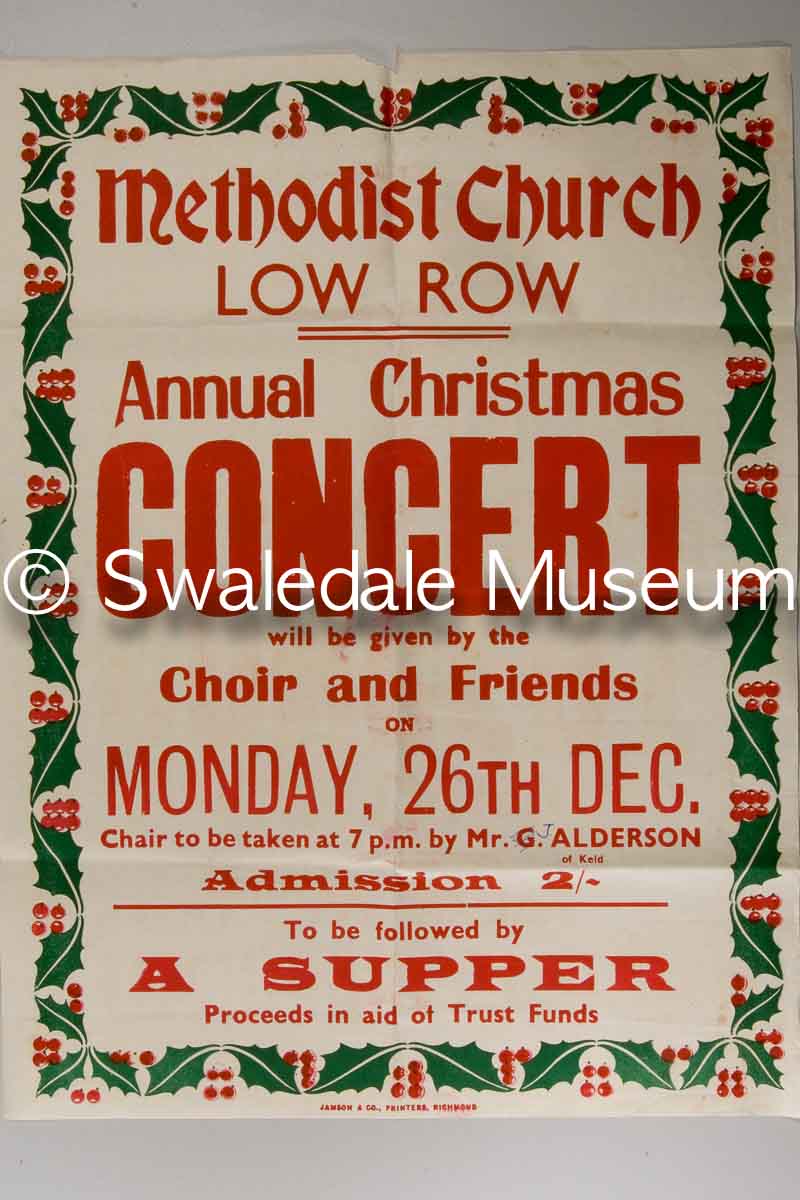
Poster 16
|
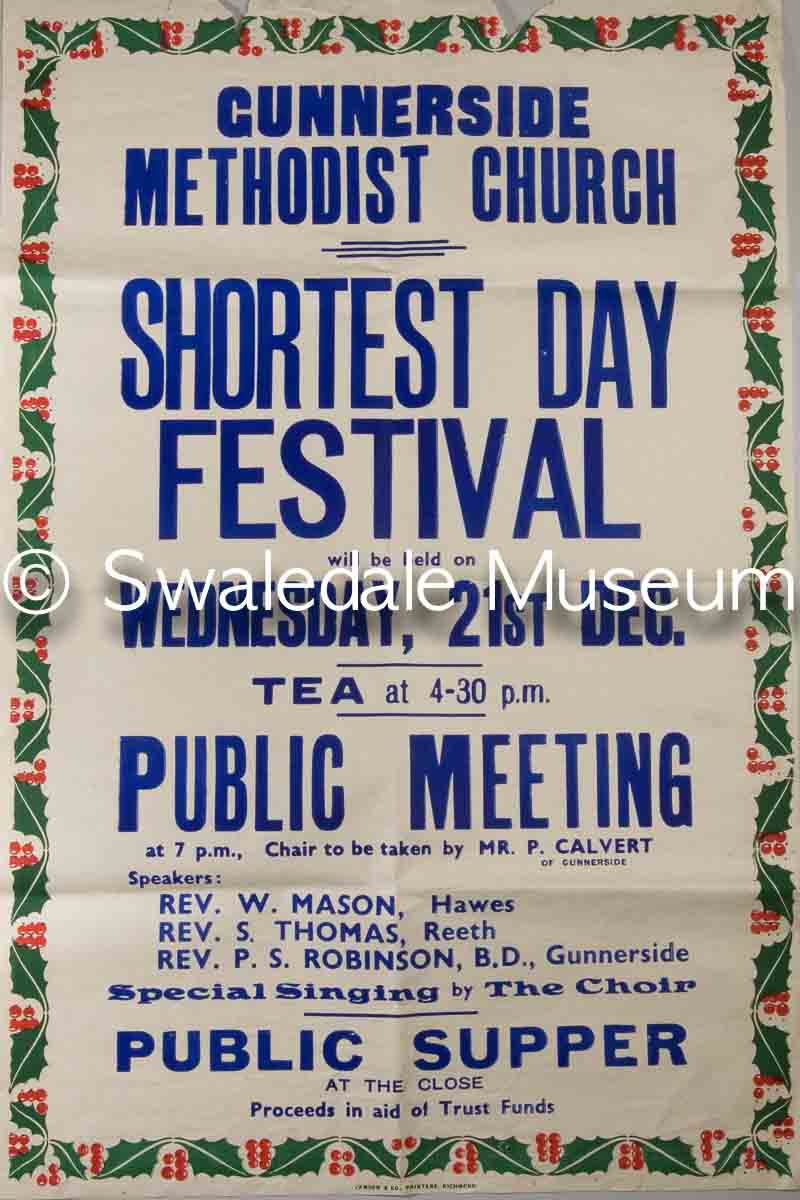
Poster 17
|
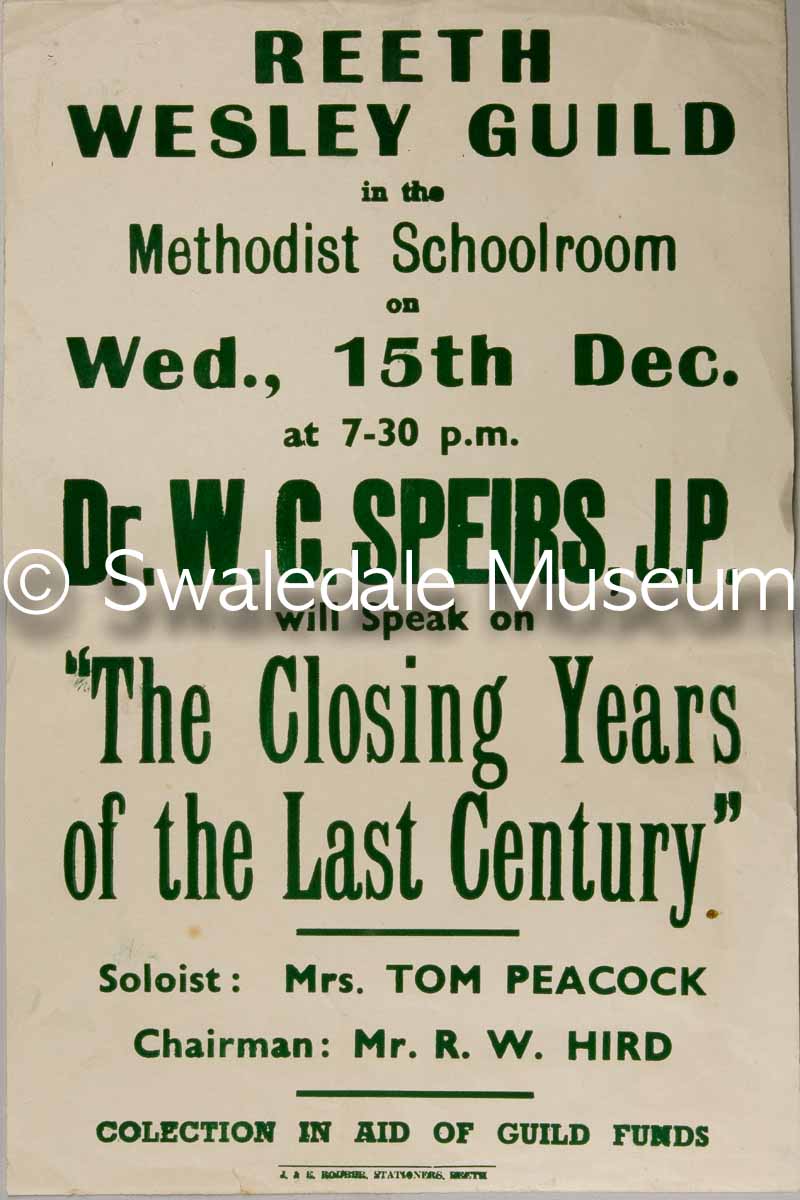
Poster 18
|
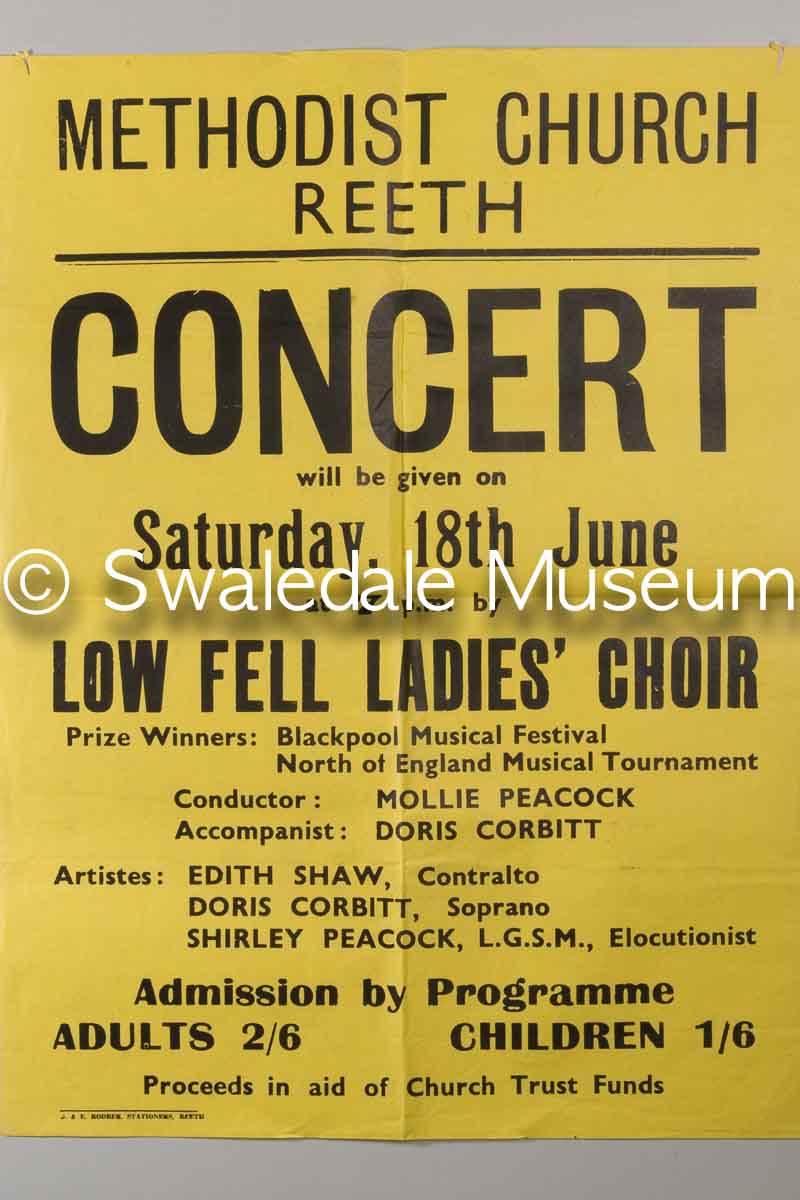
Poster 19
|
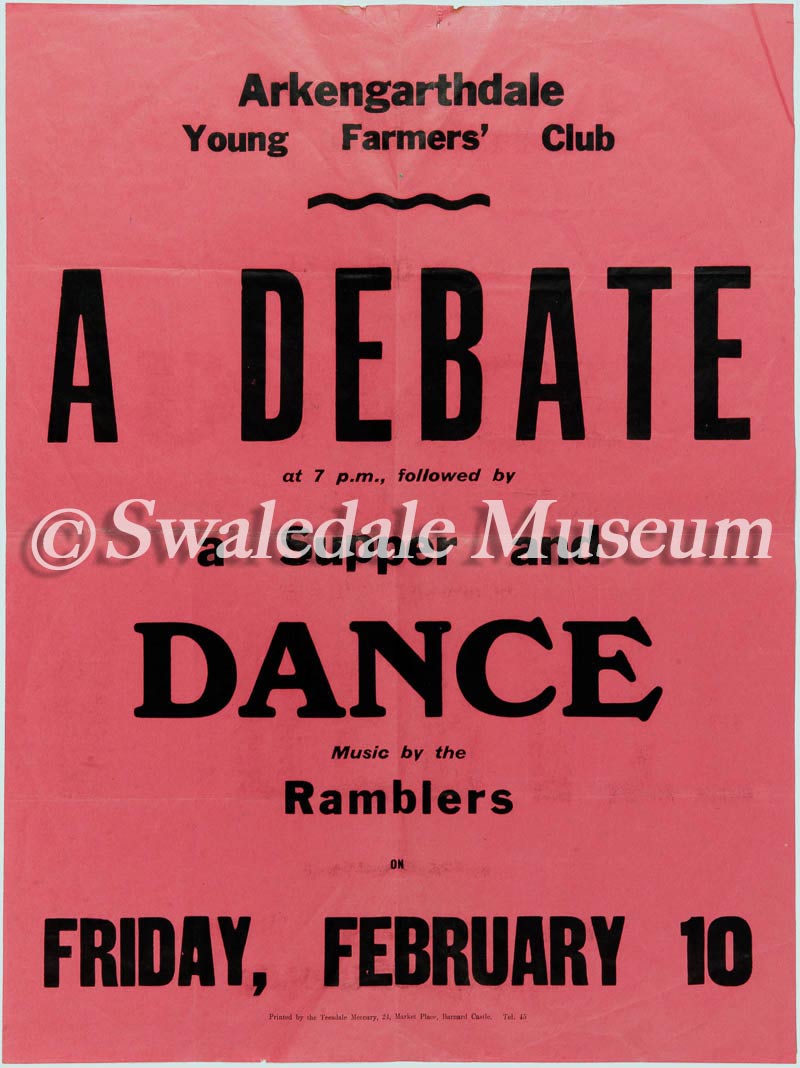
Poster 20
|
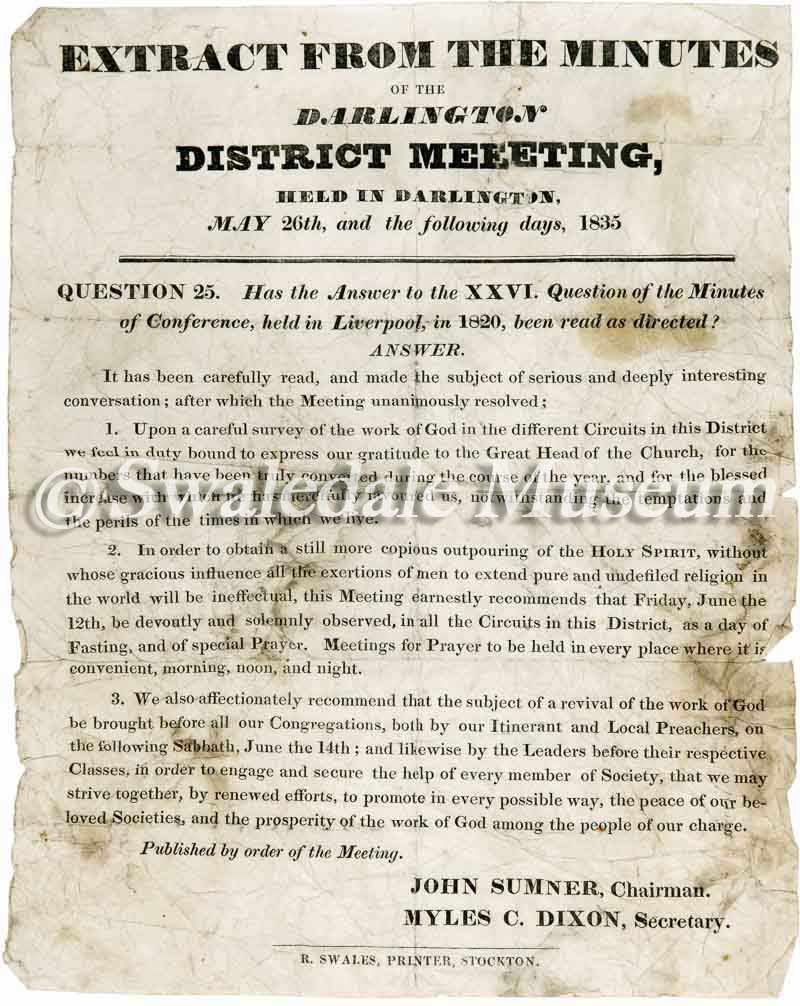
Poster 21
|
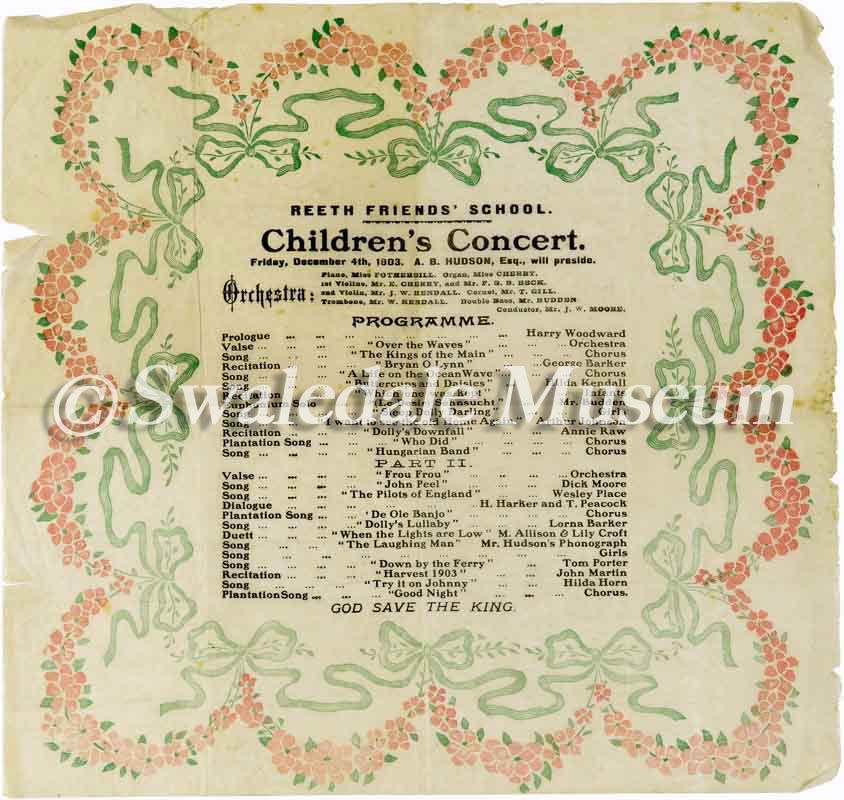
Poster 22
|
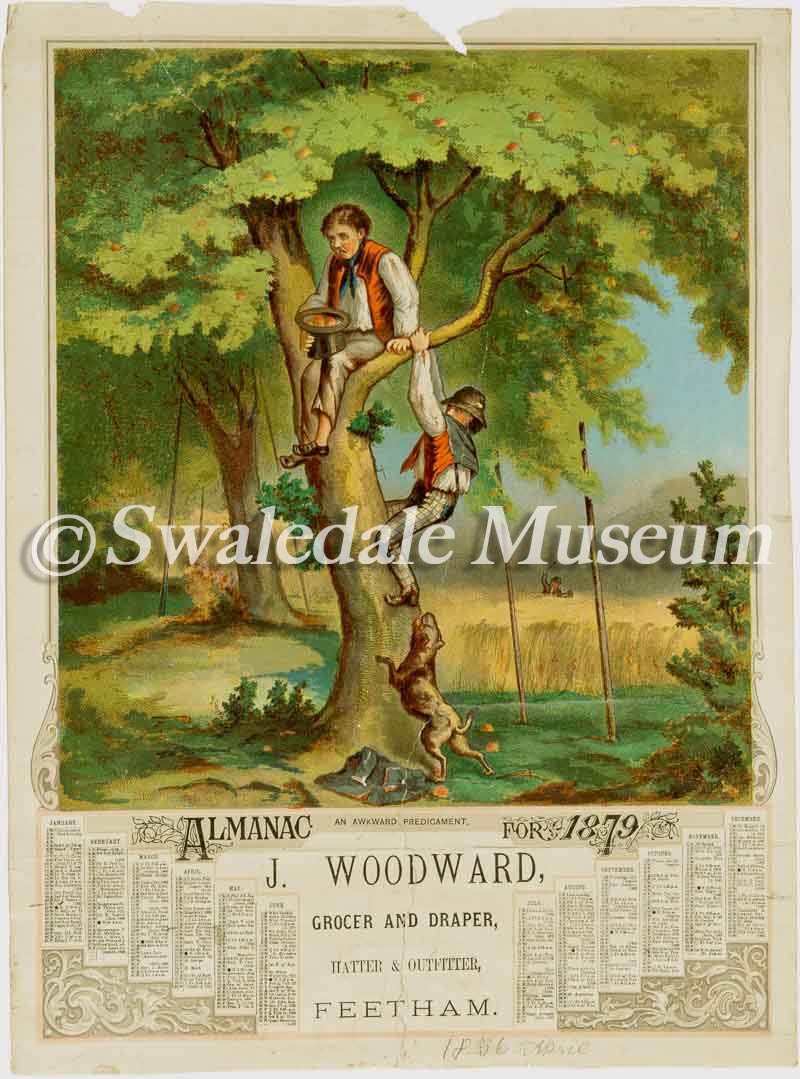
Poster 23
|
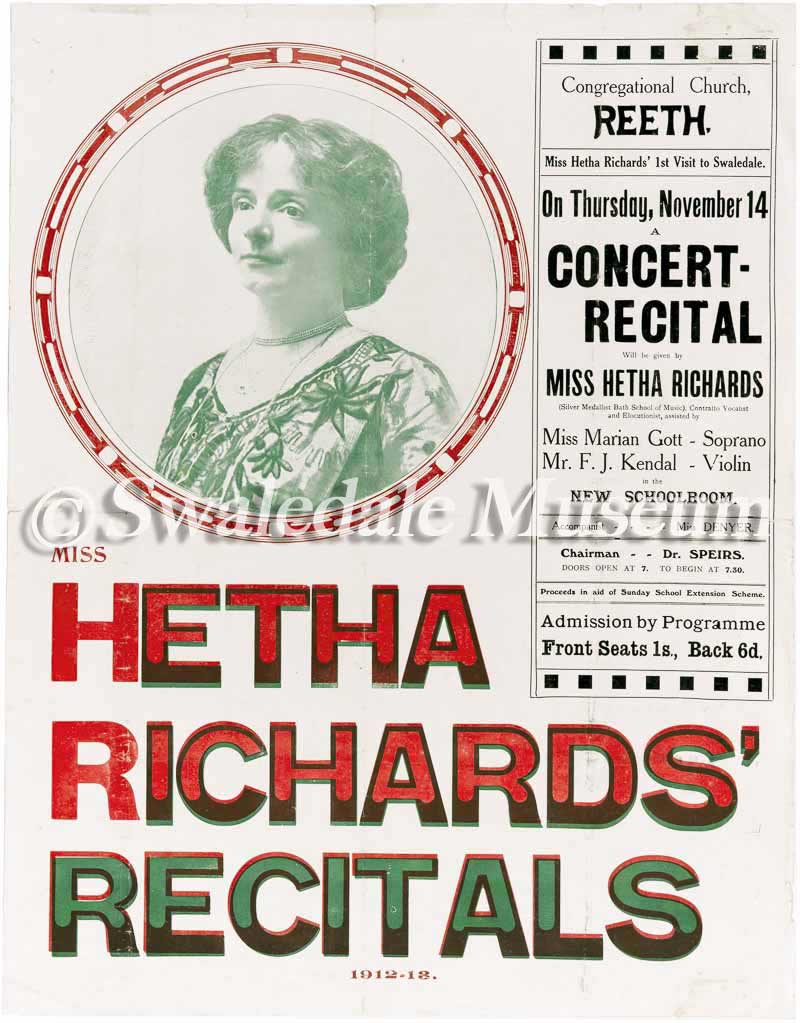
Poster 24
|
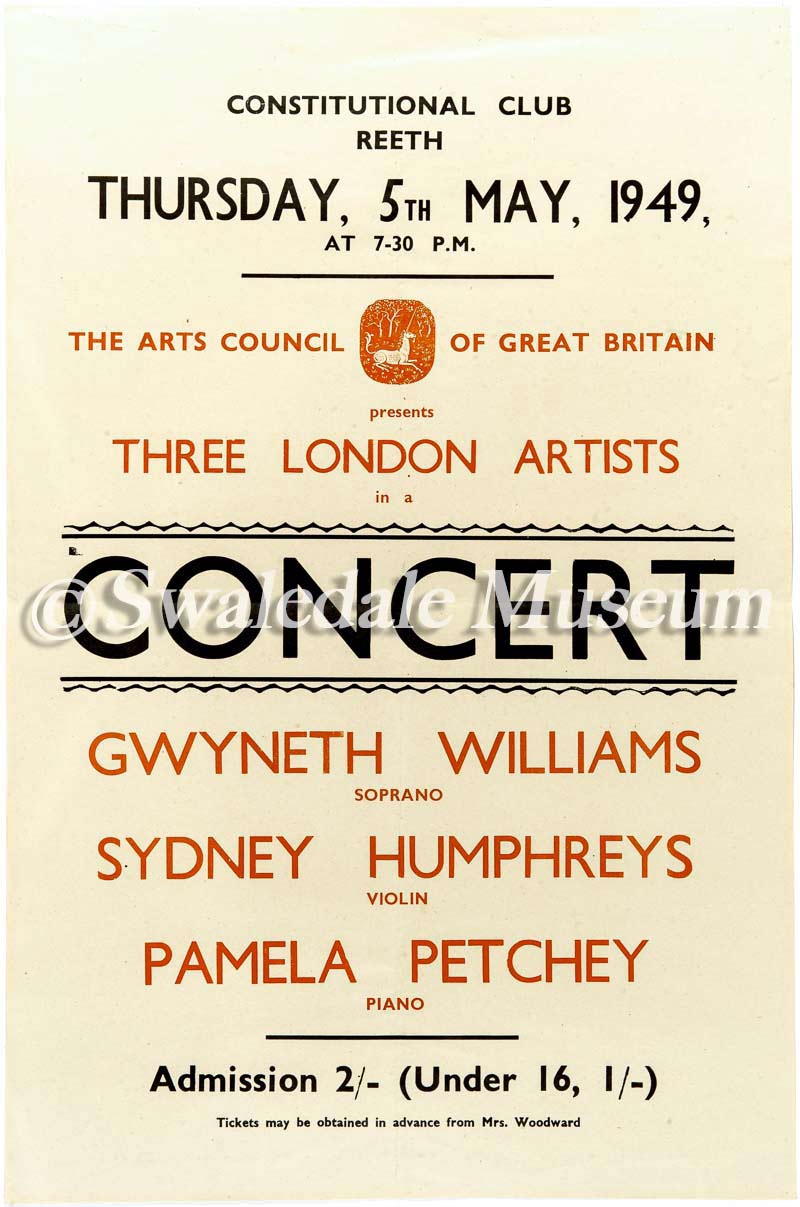
Poster 25
|
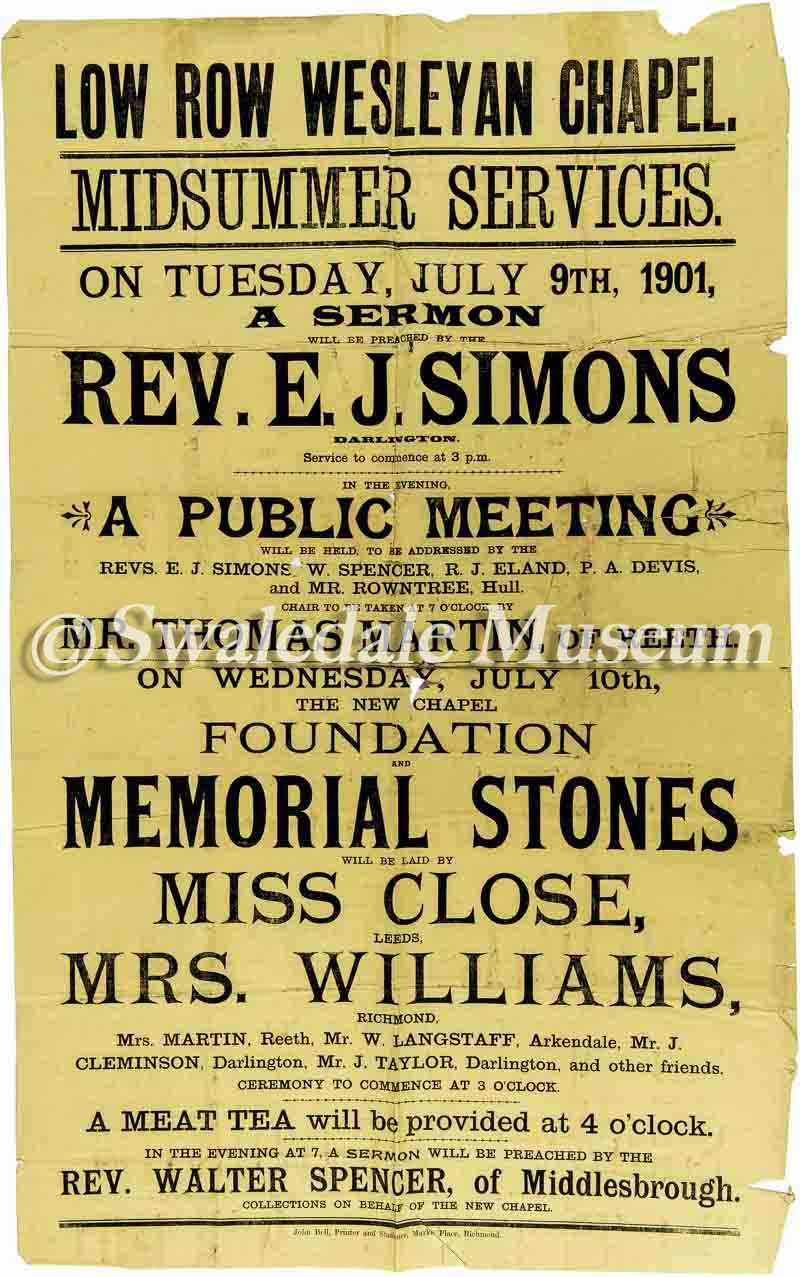
Poster 26
|
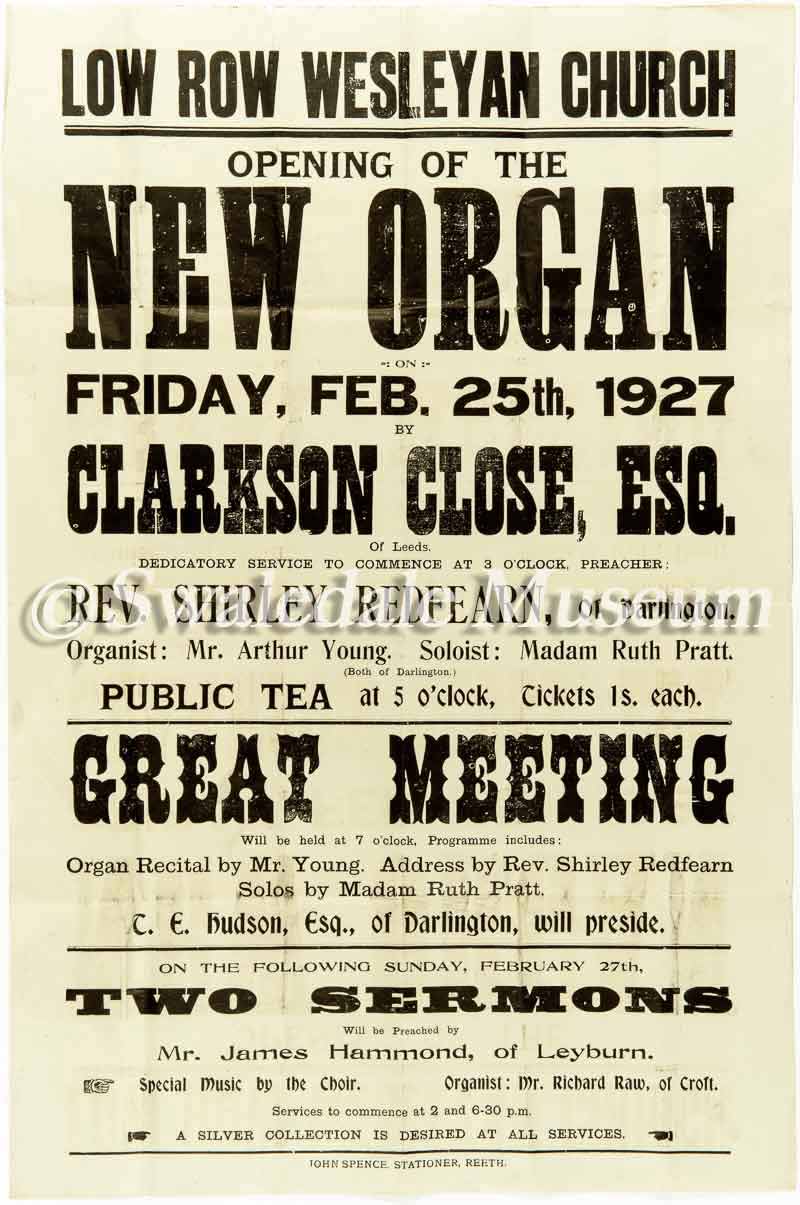
Poster 27
|
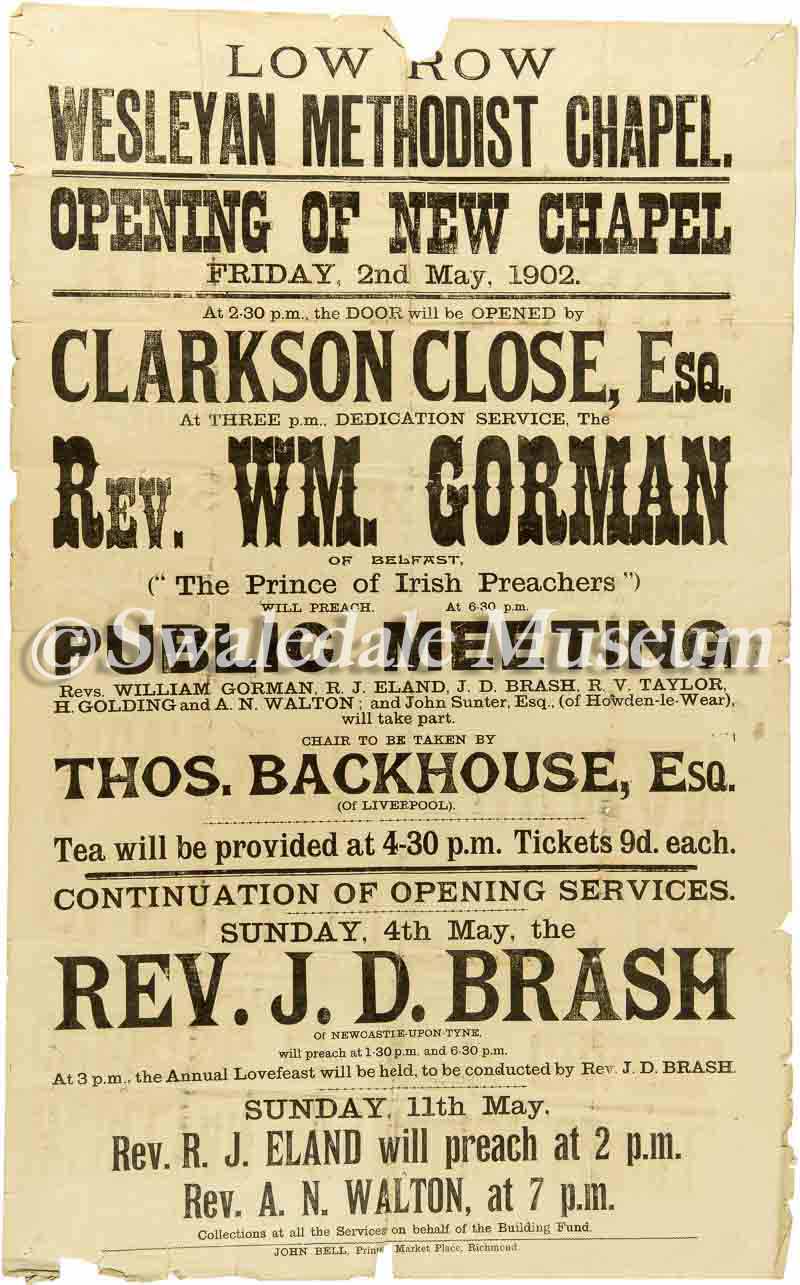
Poster 28
|
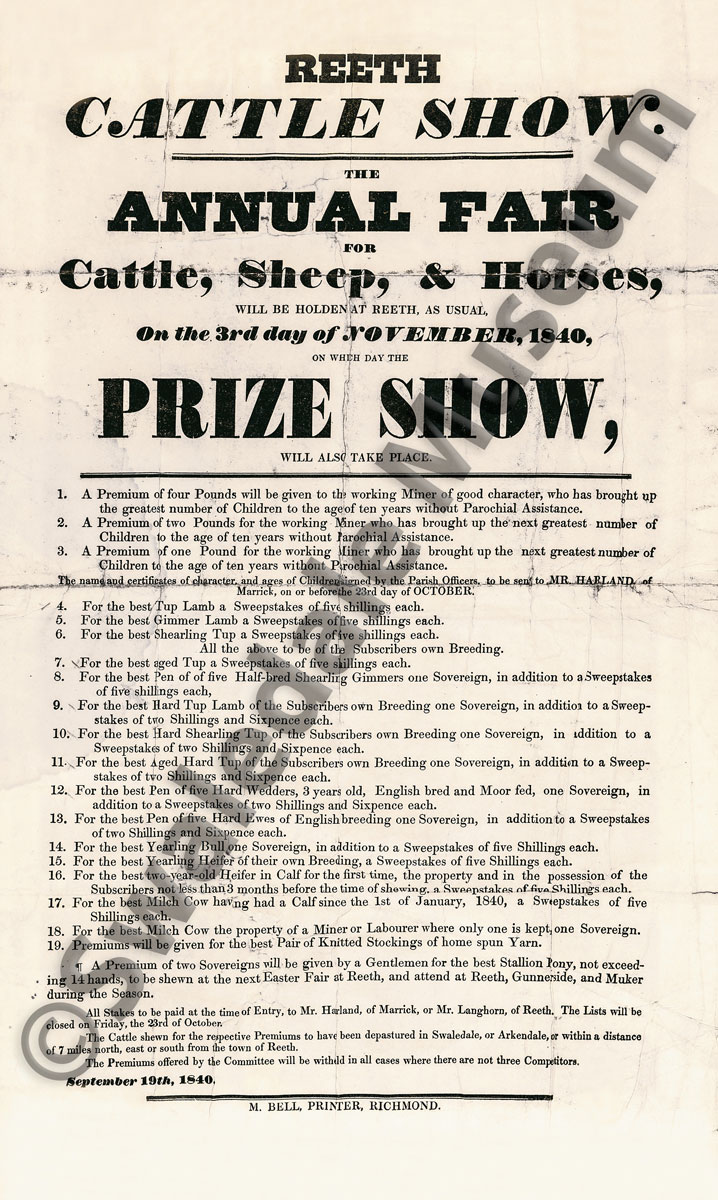
Poster 29
|
|
A5 Greetings cards (blank - no message) £2.00 each
|
£6.90 plus p&p
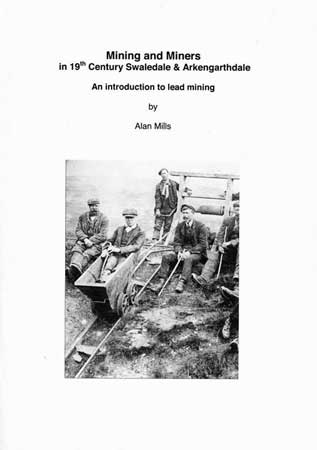
Mining and Miners in 19th Century Swaledale & Arkengarthdale will be of interest to those wishing to gain some knowledge and understanding of the mining heritage of Swaledale and Arkengarthdale. The evidence of centuries of lead mining is clearly visible in spoil heaps, the entrances to disused mines and in the ruins of smelt mills scattered across the region. This booklet is a readable introduction to the subject, which intrigues so many visitors to this part of the Yorkshire Dales. The illustrated booklet comprises 72 pages in 10 chapters and addresses the following topics: Where the lead ore came from, Practices, Dressing the ore, Smelting, Roles, A 19th Century Mining Family, Wages and Incomes, Cost of Living, Life Expectancy, The Decline of Lead Mining. The appendices include a Glossary of Terms, and a Guided Walk of the Grinton Mines Area.
|
|
£3 plus p&p
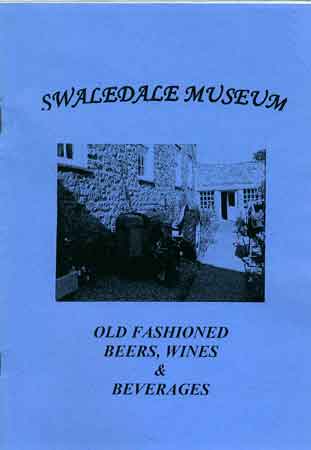
The first of a series of small booklets taken from material found in the Swaledale Museum. All were found in books, which had been recycled – one was a book of sermons which had been covered by clippings from the local newspaper’s woman’s page from some considerable time ago. How many uses are there for a lemon? Find just a few in this book! Lots of laundry hints from bygone days and many herbal remedies for some common complaints are included too. 24 pages
|
|
£3 plus p&p
The second book taken from the recycled volumes found in the Swaledale Museum. There are many recipes for wines – elderberry, elderflower, dandelion to name the most popular. There are different recipes for the same wines. Have hours of fun brewing and trying them all. (In case of emergency, Alcoholics Anonymous can be contacted on the number in your local telephone directory – if you can still read print that small!) For the more sober members of society, try some of the cordials you can make from ingredients you can pick locally and for free! Sample the delights of homemade beer made with natural ingredients in the old fashioned way. Say goodbye to E numbers! 24 pages
|
|
£4.50 plus p&p
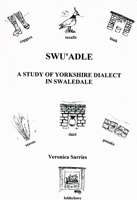
An examination of local dialect words, based on interviews from people in Swaledale and Arkengarthdale, bringing Captain Harland's Glossary up-to-date. Essential reading for anyone interested in dialect and language.
|
|
£3 plus p&p
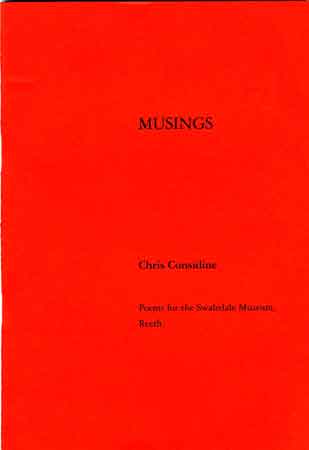
The fruit of Chris Considine’s writer-in-residency in the Museum 2007/2008. Twenty-two evocative and thought-provoking poems over 28 pages covering subjects such as’The Power of Silent Objects’, ‘A Morning with Captain Harland’,’Living in the Vernacular’ and ‘The Spinsters and the Knitters in the Sun'.
|
|
£4.50 plus p&p
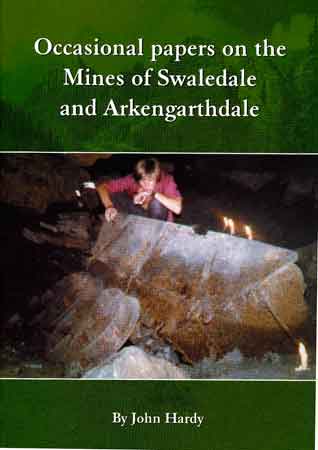
A selection of John Hardy’s articles first printed in the Reeth and District Gazette, including ‘Just an Old Railway’, ‘The Sun Hush Dam’, ‘That Other Engine’, ‘The Long Race’, ‘Eldorado’, ‘Strange Events at the Sloate Hole Mine’, ‘An Urgent Inclination’ and ‘Farewell to All That’. This book was in preparation at the time of John’s death in February 2007, and this volume was made possible by an anonymous donation. It is in A4 format, 27 pages, 5 colour illustrations, 7 maps.
|
|
£4.50 plus p&p
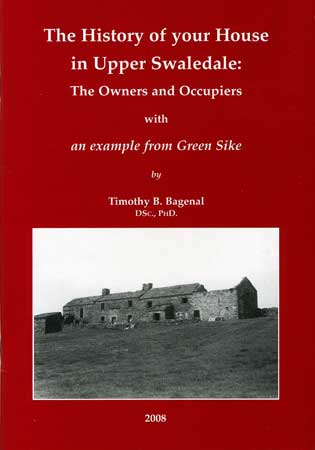
This book is intended to help people research the history of their houses in Swaledale. Using a case study, Timothy Bagenal covers a range of sources, including The Registry of Deeds, 1910 Valuation Act, Copyhold Tenure, The Upper Swaledale Manors, the Tithe Apportionment, Land Tax Assessments, as well as other supporting evidence including the Valuation of Lands and Tenements in the Township of Melbecks 1832, Parish and Non-Conformist Registers,Censuses, Dr Kernott’s Case Books and Wills. An essential practical guide for anyone interested in vernacular building and local house history. 36 pages, with bibliography.
|
|
£4.50 plus p&p
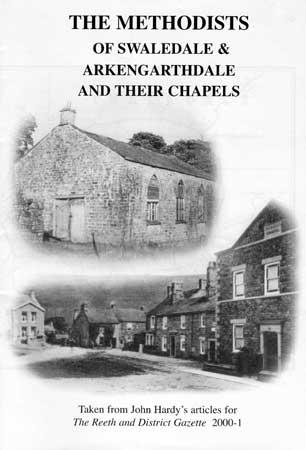
Six articles on the subject of local Methodism first published in the Reeth and District Gazette 2000-2001. These personal reminiscences focus on Gunnerside Chapel, Reeth Methodists, Arkenarthdale Methodists, Hurst Chapel, Low Row and Level House.They combine an historical overview with memories of John’s time as a Methodist Minister in the Dale, 38 pages with bibliography and chronology, 11 colour pictures, 6 b/w, and 1 map.
OUT OF PRINT |
|
|